
July 6, 2026
Do You Need an EV Charging Station?
Are you thinking about investing in an electric vehicle? Between today’s gas prices and the pace of advancements in EV technology, there’s arguably never been a better time to make the switch. EV adoption keeps climbing across Canada every year, but buying the car is only half the equation. The other half is figuring out how you’re actually going to keep it charged at home. That’s where a properly planned EV charger installation comes in. In this article, we’ll walk through the different levels of EV charging, how to tell whether your home’s electrical system is ready to support a charging station, and what to look for when choosing the right setup for your household.
What Is the Benefit of Installing an EV Charging Station?
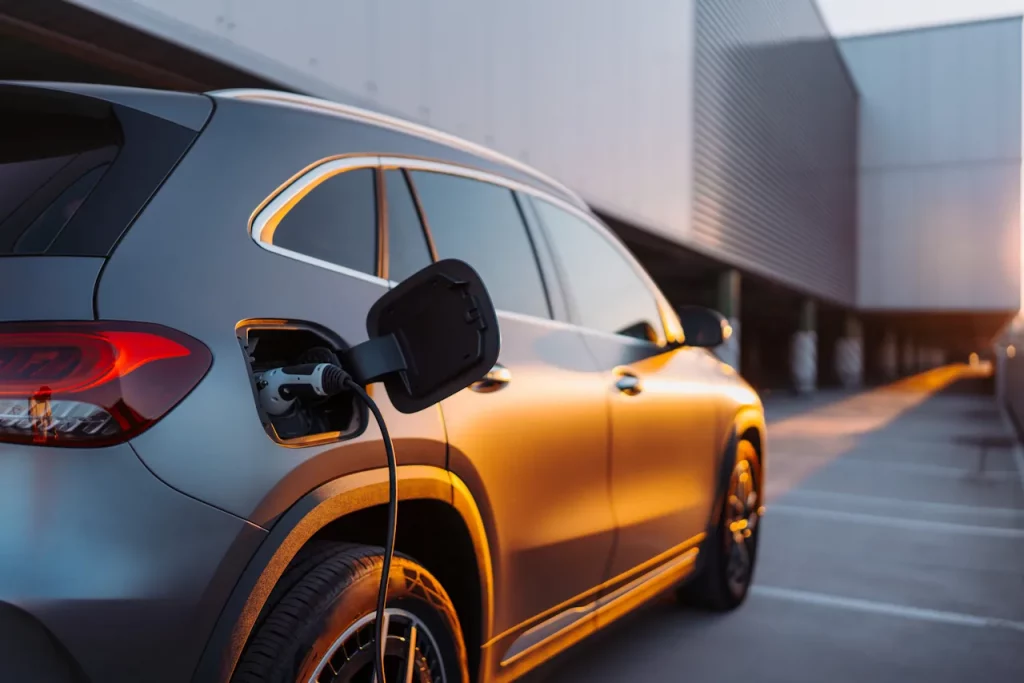
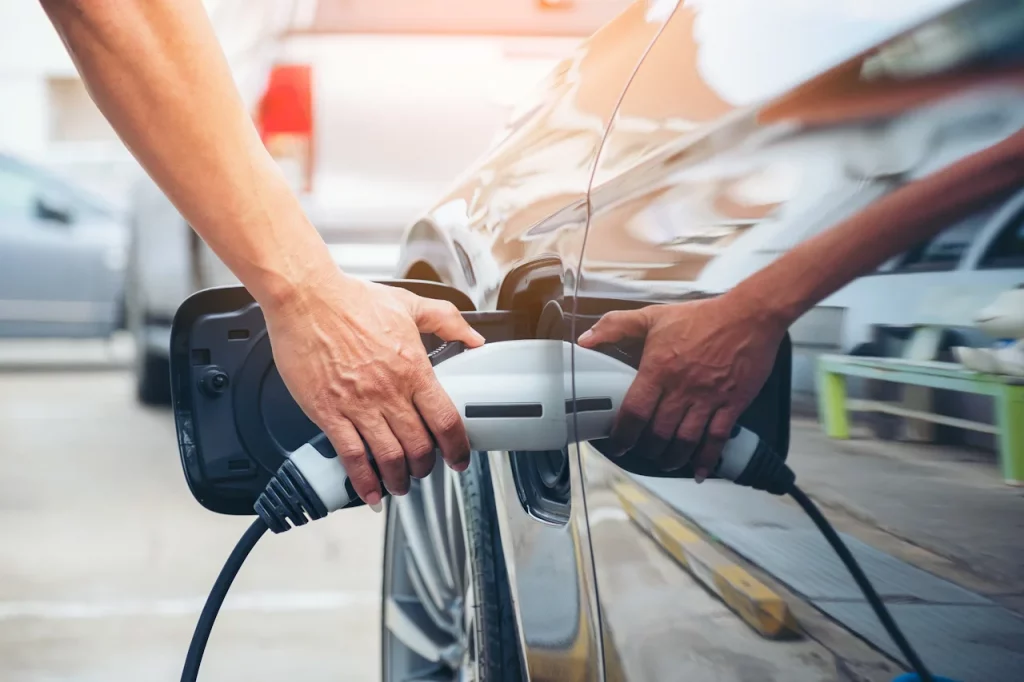
Every EV sold today comes with a 120V charging cord that plugs directly into any standard household outlet. It’s convenient, but slow, delivering roughly 8 km of range per hour of charge. For a lot of drivers, that’s simply not enough to reliably top up overnight. That’s where 240V charging stations come in. Offering around 30 km of range per hour, this EV charger installation can fully recharge most EVs overnight, which is exactly why this method has become the standard for homes, businesses, and multi-family buildings across the country. Aside from Tesla, which uses its own connector, though adapters are widely available, virtually every EV sold in North America uses the same charging standard. That means a professionally installed 240V home EV charger, sometimes called EVSE (electric vehicle supply equipment), offers near-universal compatibility, whether you’re charging your current EV or a different one down the road.
Is It Safe to Install an EV Charging Station?
The honest answer is that it depends on your home. Every electrical panel has a maximum safe capacity, and a 240V charger adds a significant electrical load. Installing one on a panel that’s already close to its limit isn’t just a minor inconvenience like a tripped breaker; it can create a real safety risk. That’s why, at Birnie HomeSAFE, we don’t recommend guessing. Through Birnie HomeSAFE, you can request a quote to find out if your home has enough power to support a 240V installation, and have an Electrical Solutions team members walk you through the process.
What Specific Charging Station Does Birnie HomeSAFE Specialize In?
Birnie installs and recommends Leviton EV charging stations. Leviton’s 240V chargers are known for a compact, durable form factor built to hold up in Canadian conditions, whether mounted in a garage or outdoors. Along with their reputation for reliability, Leviton’s charging stations are also ENERGY STAR certified, independently tested to meet strict efficiency and safety standards, so you can charge with confidence, both in the equipment itself and in its impact on the environment.
What EVs Does Birnie’s Charging Station Installation Support?
As mentioned above, 240V Level 2 charging stations are near-universal. We install charging stations that support electric vehicles from Audi, BMW, Buick, Cadillac, Chevrolet, Fisker, Ford, Genesis, GM, GMC, Honda, Hyundai, Jaguar, Kia, Land Rover, Lexus, Lincoln, Lucid, Mazda, Mercedes-Benz, MINI, Nissan, Toyota, and Volkswagen, plus Tesla vehicles, with the appropriate adapter.
Can an EV Charger Be Installed in My Garage?
In most cases, yes. Garage installations are common because they protect the charging station from the weather and keep it close to where the car is parked overnight. That said, some homes are better suited to an exterior-mounted station near the driveway, depending on where your electrical panel sits and how your home was originally wired.
So there you have it, whether you’re looking into buying an electric vehicle or already own one, Birnie has you covered with EV charger planning and installations. Want to learn even more? Read the Electrical Safety Authority’s article on EV Charging Here
👉 Learn more about EV Charging solutions at Birnie HomeSAFE: