
October 31, 2026
Battery or Generator: Which Backup Is Right for Your Home?
When the power goes out in the middle of an Ontario ice storm, every homeowner asks the same question: how do I keep the lights, the furnace and the sump pump running next time? For years, the answer was simple. You bought a generator. Today, home battery systems like the Tesla Powerwall have given homeowners a second option, and choosing between the two isn't always obvious.
Most companies only sell one or the other, so naturally, that's the one they recommend. At Birnie HomeSAFE, we install both. We've been a certified Generac dealer for years, and we now install home battery storage too, which means we can tell you honestly which one fits your home, your budget and your needs.
In this blog, we'll walk through what a home battery costs in Ontario, how long it will actually power your house, how long it lasts, the downsides nobody likes to mention, and how it stacks up against a standby generator. Let's take these one at a time.
How Much Does It Cost to Install a Home Battery System in Ontario?
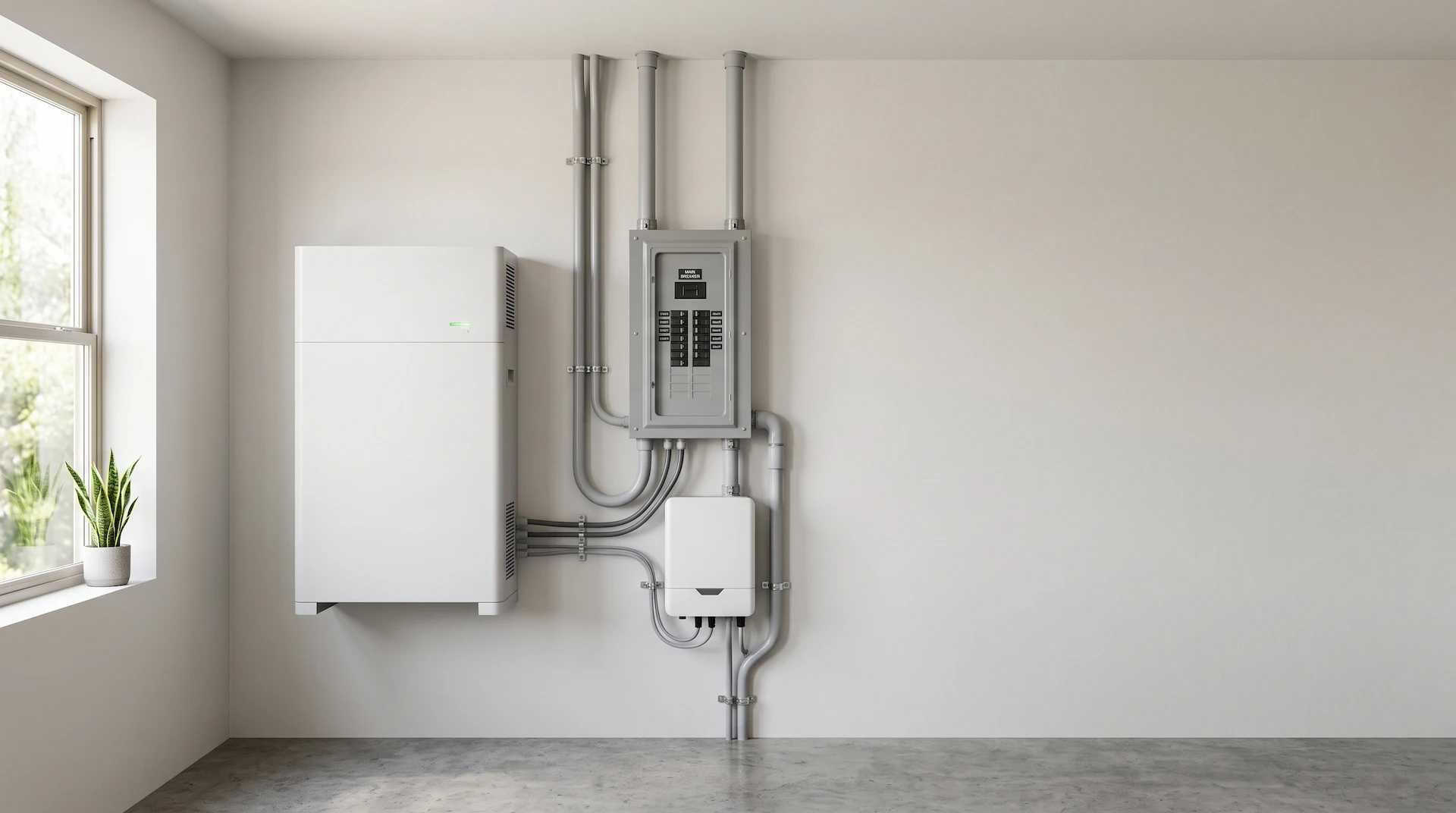
A single home battery in the 10 to 13.5 kWh range typically costs between $9,500 and $24,000 installed in Ontario, depending on the brand, the size, and how much electrical work your home needs. A Tesla Powerwall 3 on its own is commonly quoted at $19,000 to $24,000 installed, before rebates. Ontario currently has a rebate on home batteries, though it only applies if a new solar panel system is being installed at the same time.
The battery itself is only part of that number. Your quote will usually include:
- The battery unit
- The backup gateway or switch
- Electrical work and materials
- Permits and inspection
How Long Will a 10 kWh Battery Power a House?
The honest answer is that it depends on what you ask it to run. A 10 kWh battery can keep your essentials going for roughly half a day, but it won't run a whole house with central air or electric heat for very long.
Here's what that looks like in practice for a 10 kWh battery:
| What you're running | Approximate load | Approximate backup time |
|---|---|---|
| Essentials only: fridge, lights, internet | About 1 kW | About 20 hours |
| Essentials plus cooking, laundry and TV | About 2 kW | About 5 hours |
| Most of the house, including central air | About 4 kW or more | About 2 to 3 hours |
These are rough estimates. Your real numbers depend on your appliances, the season and your habits. Cold weather also matters here in Ontario, since lithium batteries deliver a little less usable energy in a deep freeze.
If you need more power/time, many systems are modular, so you can stack extra units as your needs grow.
This is the key difference from a generator. A battery holds a fixed amount of energy. A natural gas standby generator keeps running for as long as the gas keeps flowing, which matters a lot during a multi-day outage.
How Many Years Will a Home Lithium Battery Last?
Most home batteries are warrantied for 10 to 15 years, and many are expected to keep working past that. Tesla, for example, backs the Powerwall 3 with a 10-year warranty that guarantees it will still hold at least 70% of its original capacity at the 10-year mark. Some competitors, like Enphase and FranklinWH, offer 15-year warranties.
It's worth knowing what "lasting" really means for a battery. A lithium battery doesn't suddenly stop working one day. Instead, it slowly holds less energy over time, the same way your phone battery does. A 13.5 kWh battery that's 10 years old might hold closer to 10 kWh, which means shorter backup times during an outage.
A few things affect how quickly that happens:
- How often it cycles: A battery that charges and discharges every day to save on hydro bills will age faster than one kept full for backup only.
- Temperature: Batteries prefer a moderate environment, which is why placement matters during installation.
- Proper sizing and setup: A system that's sized right for your home isn't constantly pushed to its limits.
For comparison, a well-maintained standby generator can last 20 years or more, though it needs regular service to get there.
What Are the Negatives of Home Battery Storage?
Battery storage is a great technology, but it isn't the right fit for every home. Before you commit, here are the downsides we think every homeowner should know about:
- High upfront cost: A single battery often costs more than a standby generator, and, as mentioned before, although Ontario does have a rebate, it only applies when you're installing a new solar panel system at the same time.
- Limited backup time: A battery holds a fixed amount of energy. In a multi-day outage, especially in winter when solar can't recharge it much, it will run out.
- Power limits: Large loads like central air, an electric range and an EV charger running at once can exceed what a single battery can deliver.
- Gradual capacity loss: Every battery slowly holds less energy over the years.
- Panel capacity: Older homes may need an electrical panel upgrade before a battery can be safely connected, which adds to the cost.
- Payback takes time: Savings from shifting your power use to cheaper hours are real, but it can take several years to earn back the investment.
None of these are dealbreakers. They're simply the reasons why sizing, planning and an honest conversation matter before installation.
Which Is Better: a Tesla Powerwall or a Generac Generator?
Neither one wins outright, and the right choice comes down to how you want backup power to work in your home. Here’s how they compare side by side:
| Tesla Powerwall 3 | Generac Standby Generator | |
|---|---|---|
| Typical installed cost (GTA) | About $19,000 to $24,000 before rebates | About $9,500 to $16,500, depending on size |
| Power output | 11.5 kW continuous per battery | Commonly 14 to 26 kW, enough for most whole homes |
| How long it runs in an outage | Hours, based on stored energy (longer with solar) | As long as the natural gas supply holds |
| Noise and fumes | Silent, no exhaust | Engine noise and exhaust outdoors |
| Fuel | None | Natural gas or propane |
| Maintenance | Very little | Oil and filter service once or twice a year, and after 24 to 48 hours of continuous running |
| Lowers your hydro bill | Yes, by shifting use to cheaper hours | No |
| Ontario rebate | Yes | None |
Generator figures are typical GTA quotes (Home Generator Index).
A Battery Is Likely the Better Fit If:
- You want silent, automatic backup with no fuel and almost no maintenance.
- Your outages are usually short, a few hours rather than a few days.
- You have solar or are planning to add it.
- You want to lower your monthly bill, not just protect against outages.
A Generator Is Likely the Better Fit If:
- You want to run your whole home, including central air, for as long as an outage lasts.
- You've lived through multi-day outages, like the 2003 blackout or the major ice storms the GTA has seen.
- You rely on medical equipment or a sump pump that simply can't stop.
- You want the lowest upfront cost for whole-home backup.
Can You Have Both?
Yes, and for some homes it's the best of both worlds. A battery handles everyday savings and short outages silently, while a generator stands by for the long ones.
Can I Buy a Powerwall and Install It Myself?
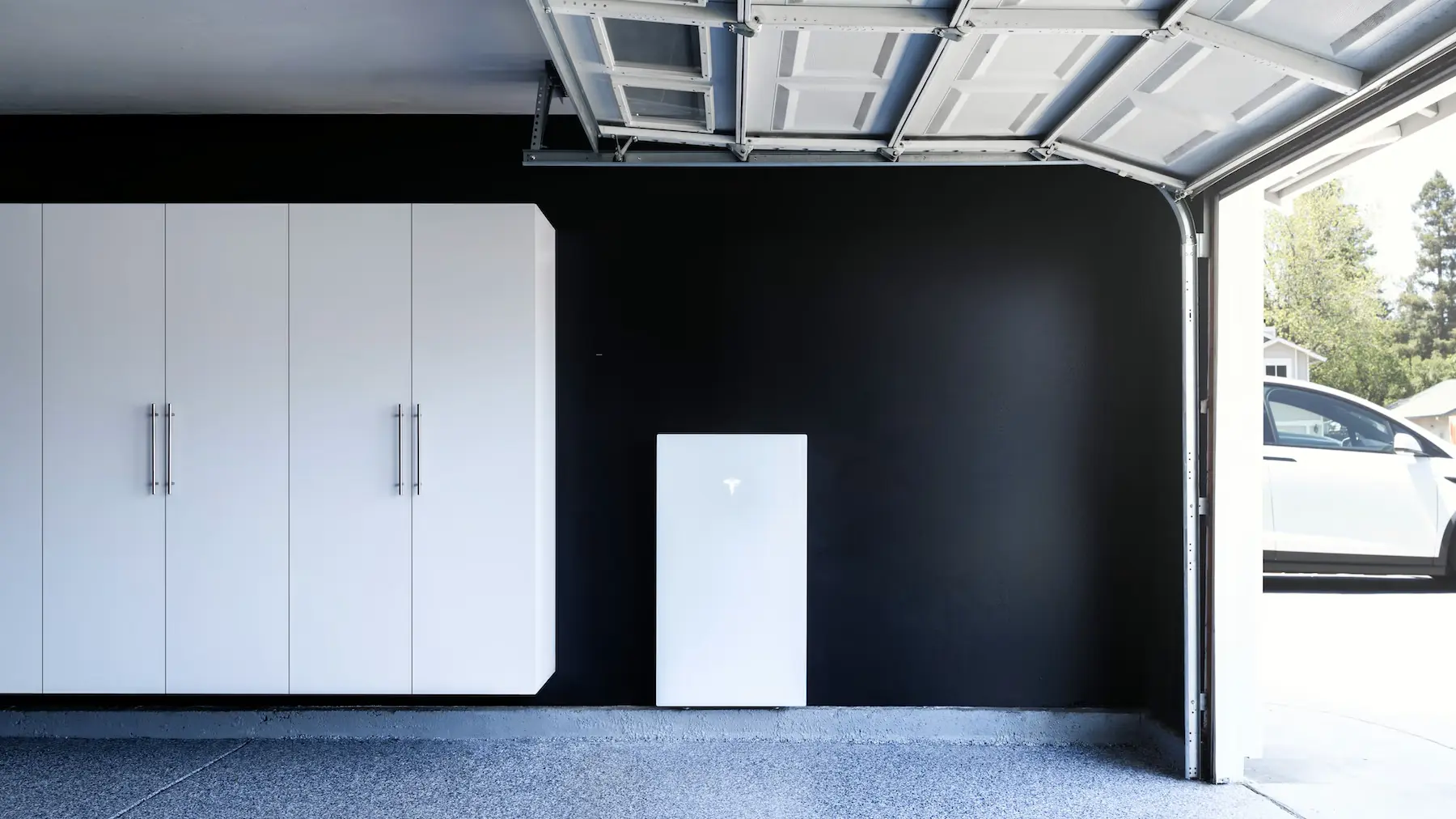
No. Tesla doesn't sell the Powerwall for do-it-yourself installation. In Canada, it's sold and installed through Tesla Certified Installers, and going outside that network can put your warranty at risk.
Even setting the warranty aside, this isn't a weekend project. Incorrectly installing a home battery can result in very serious safety hazards, and puts hydro crews working on the line at serious risk.
That's why, at Birnie HomeSAFE, we don't recommend guessing. Our licensed electricians handle the full job, so the system is safe, up to code and covered.
What Are Some Alternatives to the Tesla Powerwall in Canada?
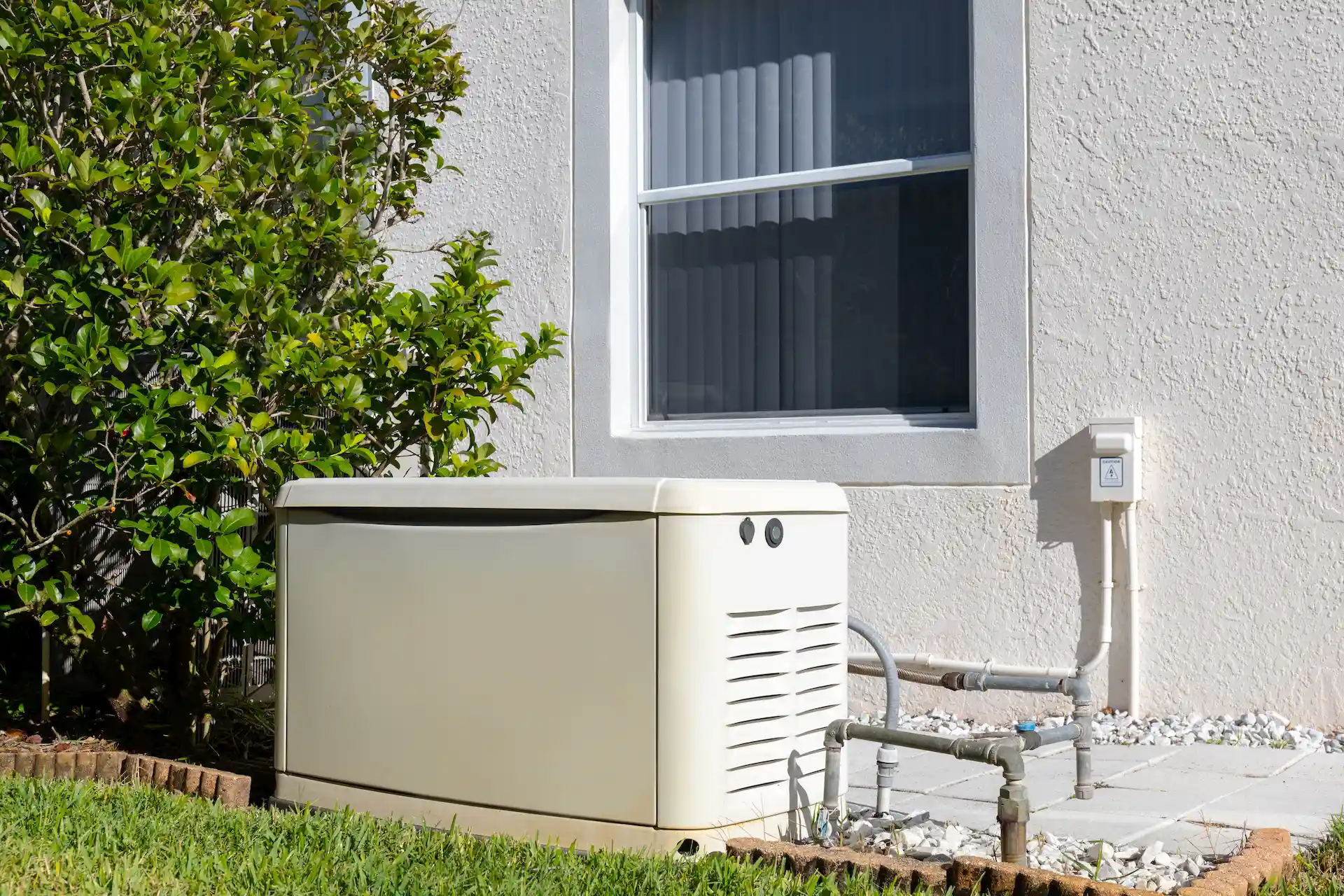
The Powerwall is the best-known name, but it's far from the only option. Alternatives include the FranklinWH aPower 2, Enphase IQ Battery 5P, and the Generac PWRcell 2.
The right battery often depends on what's already in your home, like your existing solar, your panel and your backup goals. That's exactly the kind of thing we look at during an assessment.
Is a Tesla Powerwall Worth the Money?
For the right home, yes. A Powerwall makes the most sense when you'll use it every day to save money, not just sit on it waiting for the next outage.
Here's why. On Ontario's Ultra-Low Overnight plan, as of November 1, 2026, electricity costs 3.7¢ per kWh overnight but 37.7¢ per kWh from 4 to 9 p.m. on weekdays (Ontario Energy Board). That's about 10 times more. A battery can charge while you sleep, then power your home through that evening peak.
A Powerwall is likely worth it if you:
- Are installing new solar and can claim the Ontario rebate.
- Can switch to the Ultra-Low Overnight plan and shift your evening use.
- Want silent, automatic backup for short outages.
It may not be worth it if you:
- Mainly want whole-home backup for long outages. A standby generator will usually do that for less.
- Don't plan to add solar, since you'll miss the rebate.
- Aren't planning to stay in your home long enough to see the payback.
So there you have it. Batteries and generators each have their place, and the best choice is the one that matches how your family actually lives. Because Birnie HomeSAFE installs both, we'll never push you toward one just because it's the only thing we sell.
Book a HomeSAFE Electrical Risk Assessment
Not sure whether a battery, a generator or both is right for your home? Start with a HomeSAFE Electrical Risk Assessment. We'll check your panel and wiring, look at your backup goals, and give you an honest recommendation before any work begins. Our family at Birnie HomeSAFE proudly serves homeowners across Mississauga and the GTA.
Want to learn more first? Read our earlier post, Battery Storage – Save In More Ways Than One, or explore our Emergency Generators page.
Learn more about a HomeSAFE Electrical Risk Assessment at Birnie HomeSAFE, or call us at (416) 771-6317.