
August 29, 2026
Why Your Home’s Electrical System Deserves a Check-Up
You service your furnace, you check your smoke alarms, and you get your car inspected. But when was the last time anyone looked at the wiring behind your walls? For most homeowners in Mississauga and across the GTA, the answer is never. According to the National Fire Protection Association (NFPA), electrical problems are the second largest cause of residential fires, behind only unattended cooking.
Much of the GTA’s housing stock was built decades ago, and many of these homes still run on aluminum wiring, knob and tube wiring , or panels that were never designed for today’s EV chargers, heat pumps and home offices. In this blog we are going to look at what actually happens during an Electrical Risk Assessment, how it differs from an ESA inspection, and the warning signs that tell you it’s time to book one.
What should I expect during an ERA?
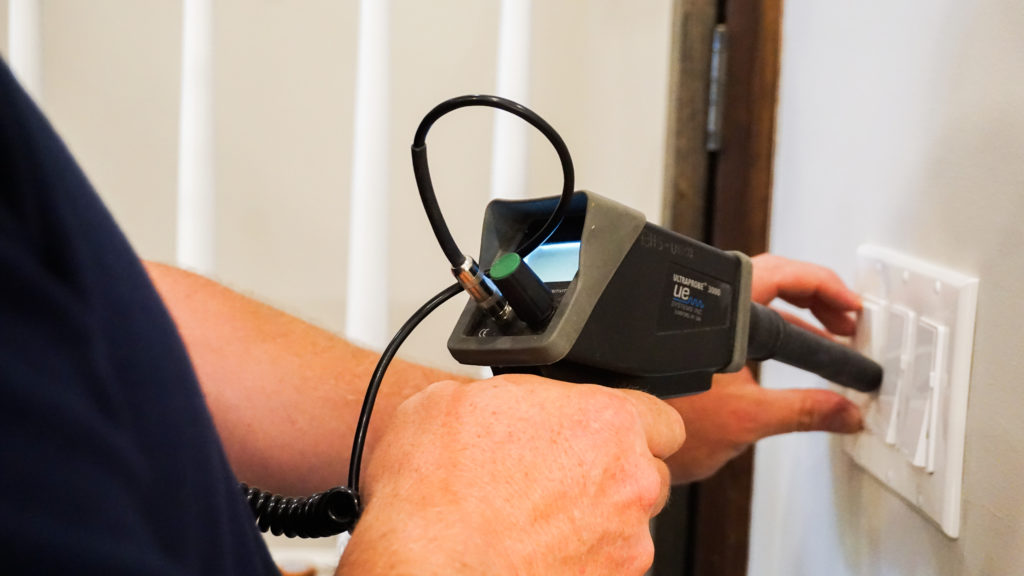
A HomeSAFE Electrical Risk Assessment is a full day of non-invasive testing by a licensed, specially trained electrician, followed by a written report of what we found and what it costs to fix. Nothing gets opened up or torn apart. Our program runs in three steps:
- Preliminary assessment (no cost): One of our experts visits your home, listens to your concerns, and points out potential issues so you understand how your electrical system is set up.
- Electrical Risk Assessment: Our electrician tests your system using circuit analyzers, infrared thermography and other diagnostic tools to find hazards hiding behind the walls, such as overheating connections, overloaded circuits and failing devices.
- Repairs: You receive a report with our findings, recommended updates and the cost of each. If you choose to have us complete the work, it is guaranteed for one full year.
How much does an ERA cost?
The first step, our preliminary home assessment, is free and comes with no obligation. The cost of the full Electrical Risk Assessment depends on the size, age and layout of your home, so we provide an estimate up front before any testing begins. Request an estimate here.
What are the warning signs my home’s wiring is unsafe?
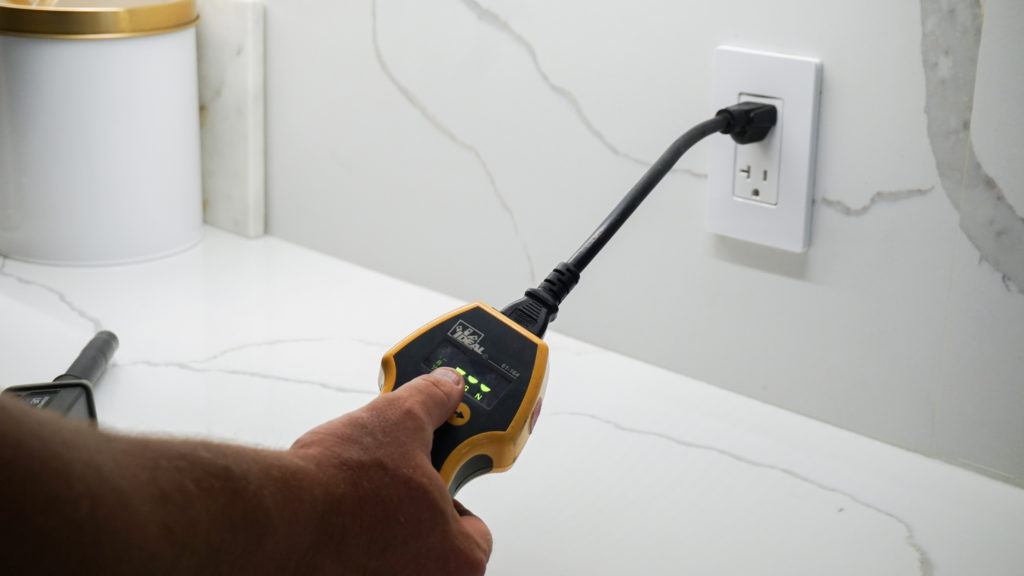
Your electrical system usually tells you when something is wrong. Book an assessment if you notice any of the following:
- Warm outlets or switches: An outlet or switch cover that feels warm to the touch can point to a loose or overheating connection.
- Burning smells: Any burning or plastic smell coming from an outlet, switch or panel should be treated as urgent.
- Tripping breakers or blown fuses: Frequent trips usually mean a circuit is overloaded or a device is failing.
- Dimming or flickering lights: Lights that dim when an appliance kicks on, or bulbs that burn out quickly, can signal a wiring or connection problem.
- Loose or dead outlets: Outlets that don’t work or won’t hold a plug firmly are worn out and can arc.
- Two-prong outlets: Outlets without a ground slot are a common sign of knob and tube wiring.
You should also book an inspection if your home is more than 20 years old, has had renovations, contains aluminum wiring or knob and tube wiring, or has never been inspected.
Book a HomeSAFE Electrical Risk Assessment
The hazards in your electrical system are rarely visible until something goes wrong. Our family at Birnie HomeSAFE has been keeping homes safe for decades, and every repair we complete is guaranteed for one full year. Start with a free, no-obligation preliminary assessment and get a clear picture of your home’s electrical health.
Learn more about a HomeSAFE Electrical Risk Assessment at Birnie HomeSAFE or call us at 905-569-1818.